How deep, meaningful relationships between people and in relation to nature are the obvious secret not only for a satisfying individual life but for large systemic change towards regeneration.
Or shortly: On the Meaning of (human) life.

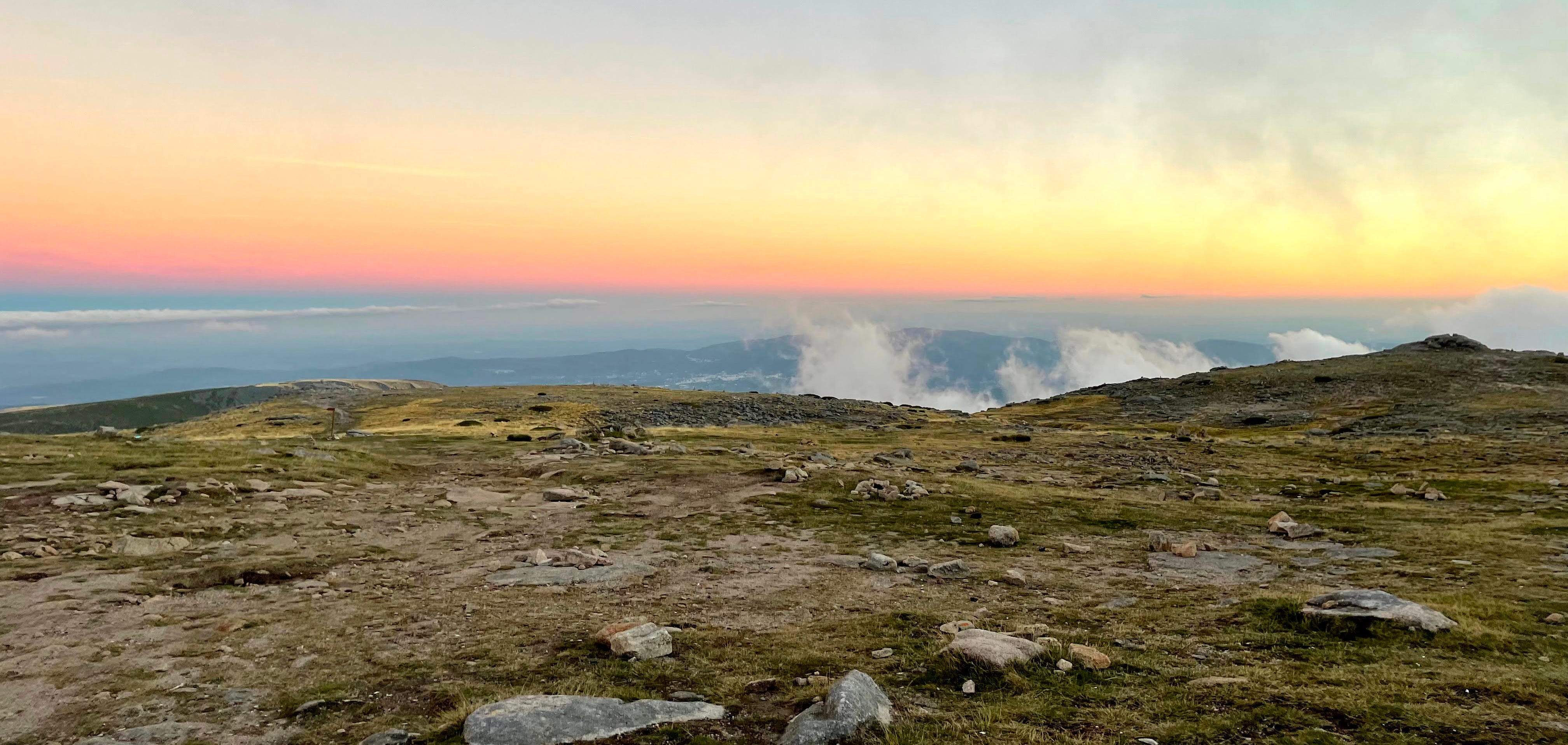
We need each other even more than we realise.
Equally, we need nature more than we acknowledge.
Neither connecting with one or another alone is sufficient to build a fulfilling, healthy and responsible human life. Our existence here is utterly, inseparably intertwined with one another and we cannot meaningfully discuss the importance of human relationships without recognising our deep dependence on nature.
Nature would thrive without us—and yet, here we are—, impossibly woven into this living web, and I can’t shake the feeling that our existence must mean more than simply taking up space, surviving, isolated in our own individual stories. What if our role is not to conquer, but to surrender? What if the meaning of life isn’t about what we accumulate or achieve, but about how we interweave our existence with everything else?
Writer and teacher Margaret J. Wheatley’s insights into the power of relationships and interconnectedness offer a profound perspective on achieving a regenerative society and so many of us are holding onto her words and using her exercises in an attempt of bringing people together and in respect towards what surrounds us. Her over four decades of work illuminates how deep, meaningful relationships—both among humans and with nature—are essential for individual satisfaction and small community cohesion. More importantly, they are the path to reaching large-scale systemic change towards sustainable transformation. By fostering these connections, we can build a society that values and restores the natural world, ensuring a not only worthwhile, but thriving future for generations to come.
The importance of human relationships
Our well-being is deeply intertwined with the quality of our relationships. Engaging in bonds that are in service to each other requires courage to be vulnerable. It means opening ourselves to others, sharing our deepest fears and hopes, and being willing to trust each other. It also means dismantling the walls of isolation and embracing the messy, beautiful process of true human connection.These relationships are not just a luxury but a necessity. They act as grounding forces, providing emotional support and resilience, and the social fabric woven through these relationships creates a strong, adaptive community capable of facing challenges collectively.
Connection to nature
Historically, humanity has thrived in symbiosis with the natural world, drawing sustenance, inspiration, and a sense of belonging from it. However, modern society has seen a significant disconnection, with dire consequences for both human well-being and the environment. Re-establishing this connection is crucial not only for our responsibility towards the Earth but for humankind to survive and thrive.
Lessons from indigenous wisdom
Throughout times, indigenous communities around the world have exemplified how deep human relationships and a strong, sustainable connection to nature foster sustainable living. Prioritizing mutual aid, sharing resources, and through communal decision-making, they contribute to a more equitable and resilient society; communal well-being through close-knit social structure.
As well as, they have long understood the importance of living in harmony with nature. Their traditions and practices emphasize the symbiotic relationship for the Earth, respecting sustainable resource use, and a deep understanding of the interconnectedness of all life forms.
These conclude to a deep understanding of syntropy—the idea that systems can evolve together towards greater order and complexity. In these communities, the weaving of human and nature relationships creates a symbiotic environment where both can thrive.
This model can serve as a blueprint for larger societal structures seeking systemic change.
A vision for a regenerative society
A regenerative society is one where economic, social, and environmental systems are designed to be restorative and self-sustaining. Achieving this requires a profound—even radical—shift in our approach to life and our relationships with each other and Nature.
All change starts from addressing these two primary relationships in our lives. Only then will other sustainability efforts be strong enough.
We cannot continue building on top of the current, broken, unsustainable and unhealthy system, but instead we need to design and build a completely new way of looking at and living the life we have on this Earth.
…
This text is the first in a series exploring the components of a meaningful life. This is what is calling me both as an individual and as a designer the most. I’d love to get to talk with you about how you feel around the topic.